
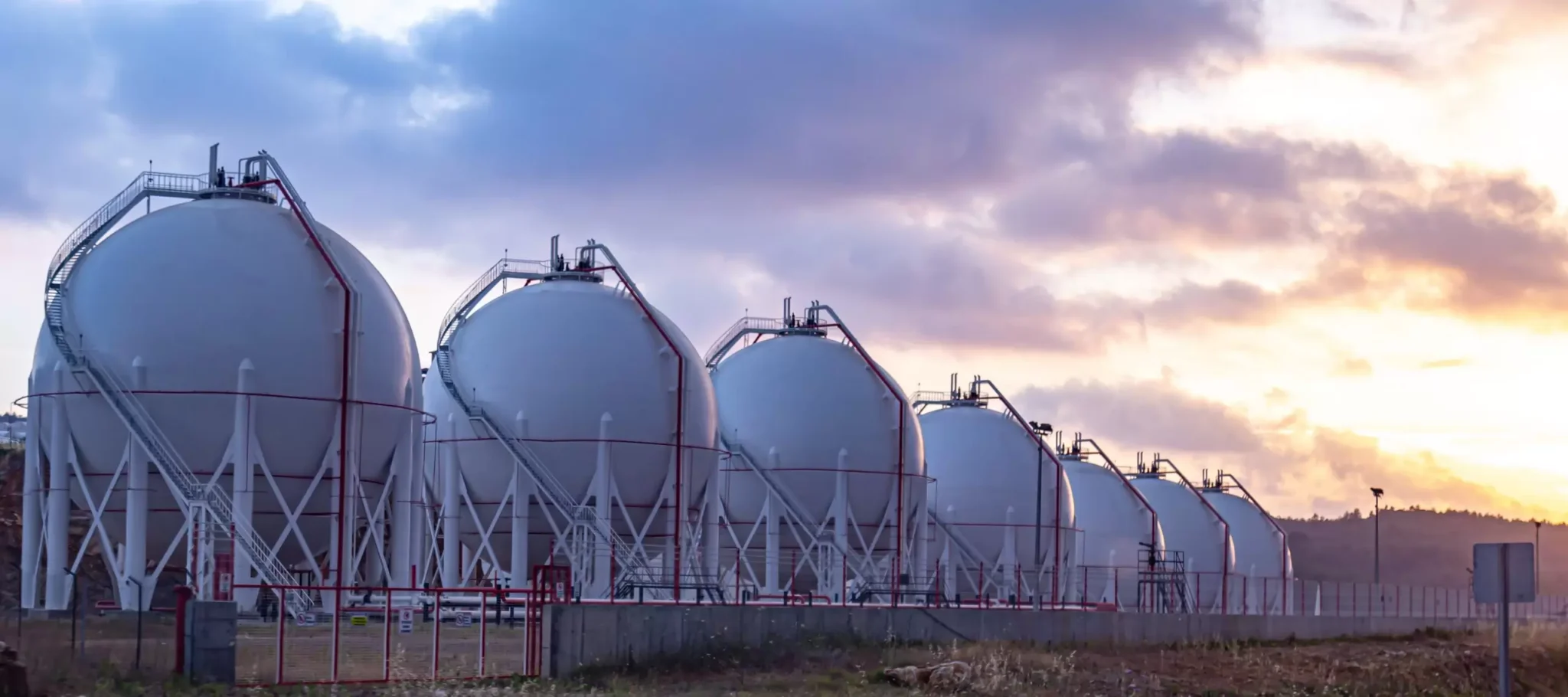
Static equipment integrity is essential to the safe, reliable and efficient operation of industrial facilities. Pressure vessels, storage tanks, process piping, heat exchangers, columns and boilers all perform critical functions across oil and gas, petrochemicals, power generation and manufacturing.
Unlike rotating machinery, which relies on moving components, static equipment is primarily designed to contain, transfer, store or process fluids and gases under defined operating conditions. Its integrity depends on material condition, corrosion control, inspection quality, sound engineering and effective maintenance throughout the asset lifecycle.
This guide explores eight best practices for improving static equipment integrity, strengthening inspection programmes, controlling corrosion and supporting longer, more dependable asset life.
1. Establish a Risk-Based Inspection Strategy
A risk-based inspection (RBI) strategy helps organisations prioritise inspection activities according to equipment condition, the likelihood of damage and the consequences of failure. This approach recognises that different assets have different risk profiles and that inspection resources should be allocated accordingly.
A pressure vessel containing hazardous process fluids, for example, may require a different inspection strategy from a non-critical storage tank. Factors such as operating pressure, temperature, process fluid, corrosion history, material properties and potential consequences of a release can influence inspection priorities.
A practical risk-based inspection programme should include:
- An up-to-date register of pressure vessels, piping systems, storage tanks and other critical static assets.
- A review of operating conditions, materials, corrosion mechanisms and previous inspection findings.
- Inspection priorities based on credible damage mechanisms and the consequences of failure.
- Defined inspection plans, responsibilities, due dates and procedures for resolving findings.
Risk assessments should be reviewed when operating conditions change, new damage mechanisms are identified or inspection results reveal unexpected deterioration. Inspection intervals and acceptance criteria must follow applicable regulations, recognised engineering standards and the organisation’s approved integrity programme.
For process piping, the American Petroleum Institute’s API 570 piping inspector programme provides a useful reference for understanding the specialist knowledge associated with in-service piping inspection, maintenance, alteration and repair.
2. Develop a Structured Corrosion Management Programme
Corrosion is a major consideration in the integrity management of industrial assets. Depending on the material, process environment and operating conditions, corrosion can reduce wall thickness, damage protective coatings, affect equipment performance and increase the likelihood of leakage or failure.
Effective corrosion control begins with understanding the mechanisms that can affect each asset. These may include general corrosion, localised pitting, erosion-corrosion, galvanic corrosion, under-deposit corrosion and forms of environmentally assisted cracking. The relevant risks differ between materials, process fluids and operating environments.
Key elements of a corrosion management programme include:
- Identifying credible corrosion mechanisms for equipment and process circuits.
- Documenting corrosion control measures, monitoring requirements and responsibilities.
- Monitoring relevant inspection results, corrosion rates and material condition over time.
- Reviewing protective coatings, insulation, corrosion inhibitors and other applicable control measures.
- Recording incidents, investigating unexpected damage and sharing lessons learned.
The Association for Materials Protection and Performance (AMPP) describes corrosion management as a documented system of processes and procedures for planning, implementing and continually improving corrosion control. Integrating corrosion management into wider asset management practices helps organisations address lifecycle costs, safety and environmental considerations together.
Explore AMPP’s corrosion management guidance for further information on building a structured approach to corrosion prevention and control.
3. Select the Right Inspection and Non-Destructive Testing Methods
Inspection and non-destructive testing (NDT) help asset owners assess equipment condition without necessarily compromising the component being examined. The appropriate method depends on the suspected damage mechanism, material, component geometry, accessibility and inspection objective.
Visual examination remains an important first step, but it may need to be supplemented by instrument-based methods to detect subsurface defects, measure wall thickness or evaluate specific damage mechanisms. No single inspection technique is suitable for every situation.
Common static equipment inspection methods
Visual inspection: Identifies visible corrosion, deformation, coating damage, leakage indications and other surface conditions.
Ultrasonic thickness testing: Measures material thickness at selected locations to help assess wall loss when performed using an appropriate procedure.
Radiographic testing: Uses radiation-based methods to examine selected internal features and discontinuities, subject to the technique and inspection requirements.
Magnetic particle and liquid penetrant testing: Help detect surface or near-surface discontinuities in suitable materials and applications.
Advanced inspection methods: Techniques such as guided wave testing, automated scanning and selected digital inspection tools may support assessments of particular geometries or hard-to-access areas.
Inspection teams should select methods based on the damage they need to detect, the reliability of the results and the limitations of the technique. Findings should be evaluated by appropriately qualified personnel, with additional examination performed where the results are inconclusive or indicate a significant concern.
Well-planned inspection programmes help asset owners make informed decisions about continued operation, additional testing, repairs or more detailed engineering assessment. Inspection methods and acceptance criteria should be selected by competent personnel in accordance with the applicable code and approved procedures.
4. Monitor Wall Thickness, Corrosion Rates and Remaining Life
Wall thickness measurements can provide important information about the condition of pressure vessels, piping systems and storage tanks. When measurements are collected at suitable locations and evaluated consistently, they can help engineers identify trends in material loss and determine whether further investigation is required.
The value of thickness monitoring depends on measurement quality, location selection, inspection coverage and an understanding of the equipment’s service history. Measurements taken at different locations or under different conditions should not be compared without considering their limitations.
Good monitoring practices include:
- Establishing repeatable measurement locations or inspection coverage plans.
- Recording inspection dates, methods, equipment identification and measurement results.
- Comparing new results with suitable previous measurements and baseline data.
- Investigating unexpected changes and considering measurement uncertainty.
- Reviewing remaining life and next inspection requirements using the applicable engineering methodology.
Corrosion rates and remaining-life estimates can support maintenance and inspection planning, but they must not be treated as automatic permission to continue operating an asset. Decisions must account for applicable minimum-thickness requirements, design conditions, current damage, uncertainty and the relevant engineering assessment.
Consistent inspection records help organisations understand how equipment condition changes over time and prioritise repairs or further examination before deterioration creates an unacceptable risk.
5. Protect Equipment Through Materials Selection and Coatings
Materials selection and protective systems are important considerations in the integrity of industrial equipment. The suitability of a material depends on factors such as process chemistry, temperature, pressure, mechanical loading, fabrication requirements and the environment in which the asset operates.
Protective coatings, linings, insulation systems, corrosion inhibitors and cathodic protection may all form part of a corrosion control strategy where appropriate. Each measure has particular applications and limitations, so selection should be based on the expected degradation mechanisms and the equipment’s service conditions.
When reviewing materials and protective systems, consider:
- Compatibility between the selected material and the process environment.
- Expected temperatures, pressures, chemical exposure and environmental conditions.
- Surface preparation, application quality and required coating thickness where relevant.
- Inspection access and the ability to assess areas beneath insulation or protective systems.
- Maintenance, repair and replacement requirements across the asset lifecycle.
Selecting and maintaining the right protective measures can help control material degradation. Protective systems should be inspected and maintained as part of an integrated integrity programme rather than treated as permanent solutions requiring no further attention.
6. Maintain Operating Conditions Within Approved Limits
Static equipment is designed for defined operating conditions. Operating outside approved pressure, temperature or other process limits may increase mechanical stresses, accelerate particular forms of degradation or create conditions that the original design did not anticipate.
Changes in process chemistry, operating cycles, contamination, temperature fluctuations or pressure conditions may also affect equipment integrity. Even where the equipment appears externally sound, the actual operating history can be important when assessing damage mechanisms and inspection requirements.
To support operating integrity:
- Maintain clear operating limits and communicate them to relevant personnel.
- Review process changes through the organisation’s approved management-of-change procedures.
- Investigate recurring pressure or temperature excursions and abnormal operating conditions.
- Evaluate whether process changes affect material compatibility, corrosion mechanisms or inspection strategy.
- Document relevant changes and update integrity records where required.
Operations, inspection and engineering teams should share information about changing process conditions so that new integrity risks can be assessed promptly and appropriate controls put in place.
7. Plan Maintenance, Repairs and Shutdown Inspections
An effective static equipment integrity programme connects inspection findings with maintenance planning and corrective action. Identifying a defect is only the first step. The organisation must assess its significance, determine the appropriate response and verify that the action is completed within the required timeframe.
Planned shutdowns and turnarounds can provide opportunities to inspect internal surfaces, examine components that are difficult to access during operation and carry out required maintenance. The activities should be prioritised carefully because shutdown windows, specialist resources and equipment availability are often limited.
Effective maintenance planning should address:
- Inspection findings that require repair, further examination or engineering review.
- Approved work scopes, repair procedures, permits and safety requirements.
- Materials, components, specialist contractors and inspection resources needed for the work.
- Verification of repairs through appropriate examination and quality checks.
- Documentation and integrity assessment before equipment is returned to service.
Repairs and alterations to pressure-containing equipment should be carried out by competent personnel using applicable codes, approved procedures and the necessary engineering controls. Where a defect raises questions about safe continued operation, the decision should be made through the organisation’s authorised integrity and engineering process.
Good coordination between operations, inspection, maintenance, engineering and procurement teams can reduce avoidable delays and help ensure that integrity findings are addressed systematically.
8. Improve Inspection Records, Competence and Continuous Learning
Reliable integrity decisions depend on accurate records and the knowledge of the people responsible for inspecting, maintaining and operating the equipment. Inspection reports, thickness measurements, repair histories and records of operating conditions provide essential context when evaluating current asset condition.
Fragmented or incomplete records can make it difficult to identify deterioration trends, confirm previous repairs or determine whether a component has been inspected adequately. Consistent documentation supports continuity between inspection cycles and helps different teams work from the same asset history.
Organisations can strengthen their integrity management processes by:
- Maintaining equipment registers, inspection histories and repair documentation.
- Defining responsibilities for reviewing inspection results and closing corrective actions.
- Ensuring inspectors and engineers have appropriate qualifications, experience and technical support.
- Recording lessons learned from equipment damage, corrosion findings and unexpected failures.
- Reviewing the effectiveness of the integrity programme and updating procedures where justified.
Continuous learning is particularly important when new technologies, materials, inspection methods or operating conditions introduce unfamiliar challenges. Sharing experience across departments helps organisations build a stronger understanding of asset risks and improve the consistency of engineering decisions.
Static Equipment Integrity and the Future of Industrial Maintenance
Advances in digital inspection, remote monitoring, robotics and data analysis are creating new opportunities for industrial organisations to improve equipment assessment. Depending on the application, these technologies may help inspectors access difficult areas, collect more consistent data or identify patterns that warrant further investigation.
However, digital tools should complement a sound inspection strategy rather than replace engineering judgement. Data quality, validation, accessibility, personnel competence and the ability to act on inspection findings remain essential to an effective integrity programme.
Industry discussions increasingly consider how inspection technology, corrosion management, materials engineering and maintenance planning can work together to support stronger asset performance. The most appropriate solutions depend on the equipment, its condition, the operating environment and the risks that must be managed.
Organisations should evaluate inspection innovations on their technical suitability and demonstrated value, with appropriate testing, qualification and approval before using them for critical integrity decisions.
Industry Knowledge Exchange at STATIC ARABIA
Static equipment integrity, corrosion control, inspection technologies and maintenance optimisation are important topics for industrial operators, engineering specialists and equipment manufacturers. These challenges require knowledge exchange between the people who design, operate, inspect, repair and maintain critical assets.
Aldrich’s STATIC ARABIA platform focuses on static equipment engineering and maintenance, bringing industry professionals together around themes that include corrosion management, smart inspection, reliability engineering, materials performance and maintenance planning.
The 2026 edition took place from 8 to 10 September at Dhahran Expo in Al Khobar, Saudi Arabia, under the theme Engineering, Maintenance, and Performance Excellence in Static Equipment. These subject areas closely align with the challenges organisations face when managing pressure vessels, piping systems, heat exchangers and other critical static assets. Explore the STATIC ARABIA platform to learn more about its engineering and maintenance focus.
For engineers, asset owners and service providers, industry platforms create opportunities to exchange technical perspectives, explore relevant technologies and strengthen professional connections across the industrial maintenance community.
Explore Static Equipment Engineering and Maintenance
Discover the industrial challenges and technologies shaping static equipment reliability, inspection, corrosion control and maintenance excellence through Aldrich’s industry platform.
Explore STATIC ARABIAFrequently Asked Questions About Static Equipment Integrity
What is static equipment integrity?
Static equipment integrity is the ability of stationary industrial assets, such as pressure vessels, storage tanks, process piping, heat exchangers and boilers, to continue performing their required function safely within their approved operating conditions.
What is risk-based inspection?
Risk-based inspection is an approach that uses the likelihood and consequences of equipment damage or failure to prioritise inspection activities. It helps organisations direct inspection effort towards assets and damage mechanisms with the greatest assessed risk.
How can corrosion be controlled in industrial equipment?
Corrosion can be managed through a combination of suitable materials, protective coatings, appropriate process controls, corrosion monitoring, inspection and maintenance. The correct measures depend on the material, process environment and expected corrosion mechanisms.
What is non-destructive testing in static equipment inspection?
Non-destructive testing uses inspection techniques to evaluate material condition or identify particular discontinuities without necessarily damaging the component being examined. Methods include ultrasonic, radiographic, magnetic particle and liquid penetrant testing, depending on the application.
Why is inspection documentation important?
Inspection records help engineers compare results over time, evaluate deterioration, confirm repairs and plan future inspections. Accurate documentation supports continuity, traceability and more informed asset integrity decisions.
Conclusion
Static equipment integrity requires a coordinated approach that connects risk-based inspection, corrosion management, material condition monitoring, appropriate maintenance and reliable documentation. Pressure vessels, piping systems, tanks and heat exchangers must be assessed in the context of their design, operating conditions and credible damage mechanisms.
By applying structured inspection plans, selecting appropriate testing methods, investigating deterioration and closing corrective actions, organisations can make better-informed decisions about equipment condition and maintenance priorities. Digital inspection tools can add value when used within a qualified, technically sound integrity management framework.
For organisations operating in oil and gas, petrochemicals, power generation and manufacturing, effective static equipment integrity management is an important part of protecting assets, managing operational risk and supporting long-term industrial performance.